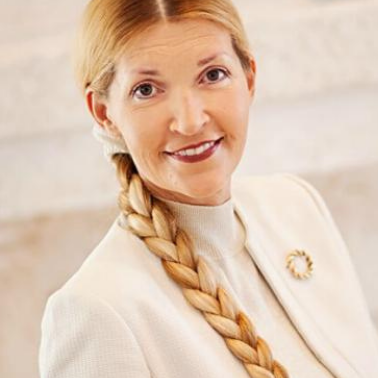
Over 1,100 garment workers were killed when the building collapsed in April 2013. They had been making clothing for Western fashion houses in a building that had been deemed unsafe after cracks appeared in concrete pillars. Bangladeshi law, Groulx said, had forbidden trade unions which would have protected workers’ rights.
She also pointed at failures in social investment by mining companies, from Peru to Australia and Papua New Guinea, where decisions were imposed from 5,000 miles away with neither proper consultation nor engagement at the local level.
Looking to the future
Yet, she said, ‘you have to be optimistic’ that things can change. The UN’s Principles for Responsible Management Education (PRME) involves 800 business and management schools in teaching corporate values and sustainability.
Groulx briefly presented her ‘galaxy of norms’ model for understanding the new legal universe developing globally. In this, hard law meets soft law through five rings of liability: reporting (including the triple bottom line of people, planet and profit); the legal duty of care for employees, suppliers and other stakeholders; voluntary principles and industry standards, contracts and codes of conduct; and soft law (such as the UN Guiding Principles on Business and Human Rights, the OECD guidelines, the ILO core conventions, the SDGs and the UN Global Compact).
During the online discussion, participants emphasized that potential employees wanted to work for companies that were seen to be ethical, including addressing such issues as climate change.
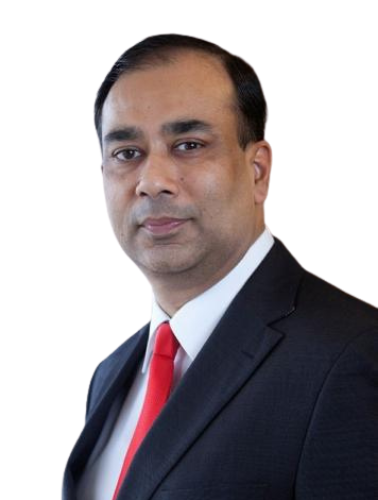
Mathur appealed for ‘links of trust’ between industry, governments and civil society. He was supported by Northern Irish businessman Peter Brew in appealing for IofC to act ‘as a fulcrum to build trust’ between the business world, governments and civil society. The need was for a ‘safe space’ for dialogue, Bunn said, or as Groulx put it, a ‘community of trust’.